
Compare Aruba properties by price, location, condition, amenities, ownership costs, and availability to find a home that fits your needs.
On-Site Blog – Aruba Palms Realtors
How to Compare Aruba Real Estate Listings and Identify the Right Property
Searching for a property in Aruba can quickly become overwhelming. You may find houses in residential neighborhoods, modern condominiums, luxury villas, and properties close to the island’s beaches. Each listing has different features, prices, and ownership considerations.
The challenge is not simply finding a property you like. It is determining which option fits your budget, preferred location, and long-term plans.
A structured comparison can make the process easier and help you focus on properties that meet your needs.
1. Define Your Property Requirements First
Before comparing listings, decide what you want from your purchase.
Start with the basics:
- Your maximum purchase budget.
- Preferred locations or neighborhoods.
- Property type, such as a house, condo, apartment, or villa.
- Required number of bedrooms and bathrooms.
- Preferred indoor and outdoor features.
- Intended use, such as full-time living, a second home, or an investment.
Separate essential requirements from optional features. For example, a buyer may need three bedrooms but simply prefer a swimming pool.
This distinction helps you avoid overlooking suitable properties because they lack one nonessential feature.
2. Compare Asking Prices Fairly
Price is an important starting point, but it does not tell the whole story.
When reviewing aruba real estate listings, compare properties with similar characteristics. Look at the location, living area, lot size, property condition, number of bedrooms, and available amenities.
A larger home may have a higher asking price but offer more space. Another property may cost less initially but require renovations or major repairs.
If you have enough comparable information, consider the asking price relative to the property’s size. However, price per square foot should be treated as one comparison tool rather than a definitive measure of value.
Remember that asking prices are not necessarily the final prices paid by buyers. A local real estate professional may help you understand the differences between comparable properties and available market information.
3. Evaluate the Location
Location affects everyday convenience and how a property fits your lifestyle.
Think about your access to supermarkets, healthcare services, schools, restaurants, transportation routes, and other places you expect to visit frequently.
Some buyers prioritize proximity to the beach, while others prefer a quieter residential neighborhood or easier access to everyday services.
If possible, visit the surrounding area at different times of day. Pay attention to traffic, noise, road access, parking, and nearby development.
You should also consider whether the location fits your intended use. A property that works well as a primary residence may not meet the same needs as a second home or investment purchase.
4. Look Beyond Listing Photos
Photographs are useful, but they cannot tell you everything about a property.
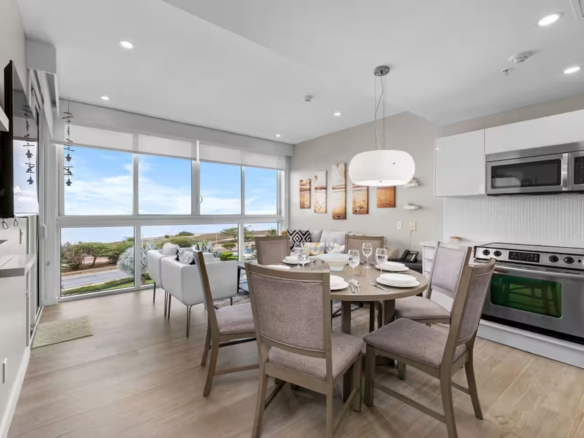
Look carefully at the available images and property description. Note any missing details about the kitchen, bathrooms, roof, outdoor areas, storage, or major systems.
Ask for clarification when the listing does not explain the property’s condition or recent renovations. Request additional photos or arrange a viewing if the property appears suitable.
During an inspection, pay attention to visible signs of moisture, cracks, worn finishes, damaged fixtures, and other issues that may require professional assessment.
Avoid making a decision based only on attractive staging or wide-angle photographs. The property’s condition and layout matter more than its presentation.
5. Compare Features and Maintenance Requirements
Two homes with similar asking prices can have very different ongoing costs.
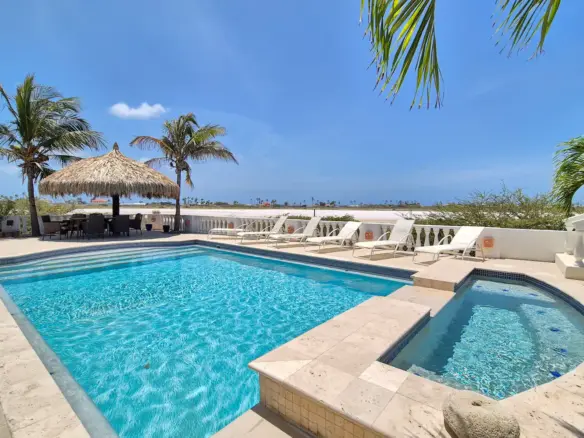
A property with a pool may require regular cleaning, equipment servicing, and additional electricity. A large garden may need landscaping, while an older home may require more frequent repairs.
Condominiums can involve recurring association or service fees, depending on the development and ownership arrangement.
Ask for details about the property’s maintenance history, major equipment, shared facilities, and recurring fees. These costs should form part of your comparison rather than being considered after you have chosen a property.
6. Understand Land Ownership and Additional Costs
Before making an offer, confirm the legal and financial details of the property.
In Aruba, buyers may encounter privately owned land or government leasehold arrangements. These are different forms of land tenure, so ask a qualified local professional to explain the specific terms, duration, obligations, and costs associated with the property.
Aruba Bank’s mortgage guidance for non-residents explains that foreign buyers can purchase property on freehold land or government leasehold land. Leasehold arrangements involve an annual fee for the lease rights.
Also budget for applicable transfer taxes, notary fees, inspections, insurance, and financing expenses. Aruba Bank’s mortgage information outlines common mortgage-related costs, including notary expenses, transfer taxes, and insurance premiums. Confirm the current amounts and applicable rules with the relevant professionals before committing to a purchase.
Review the property’s documentation with the appropriate professionals. Do not assume that two homes with similar prices have identical ownership terms or future obligations.
7. Check Whether the Listing Is Current
Property availability can change. A home that appears in search results may already be under contract, sold, or no longer available.
Before arranging a viewing, contact the listing agent to confirm the current status, asking price, and important property details.
Ask whether there have been recent changes to the listing, including price adjustments, renovations, or changes to the included features.
Keeping a record of the date you reviewed each property can help you avoid comparing outdated information.
8. Create a Property Comparison Checklist
A simple comparison table can help you narrow down your options without relying on memory.
| Comparison factor | Questions to ask |
| Asking price | Does it fit my budget, including additional costs? |
| Location | Does the area fit my daily needs and long-term plans? |
| Property size | Does the layout provide enough usable space? |
| Condition | Are repairs or renovations likely to be needed? |
| Amenities | Are the pool, parking, outdoor areas, and other features suitable? |
| Ownership | Is the land privately owned or leasehold? |
| Recurring costs | What are the taxes, insurance, service fees, and maintenance expenses? |
| Availability | Has the agent confirmed that the property is still available? |
Use this checklist to compare your strongest candidates side by side. You may find that a property with a slightly higher asking price better fits your needs or requires less immediate work.
Find the Right Property in Aruba
Choosing a property requires more than comparing photographs and asking prices. You need to evaluate location, condition, amenities, ownership arrangements, and the total cost of buying and maintaining the home.
By comparing aruba real estate listings using the same criteria, you can narrow your options and spend more time considering properties that fit your requirements.
Aruba Palms Realtors offers property listings for buyers exploring different types of real estate on the island. Review the available properties, identify your preferred features, and contact the team when you are ready to ask questions or arrange a viewing.
Ready to compare properties? Browse the current listings on Aruba Palms Realtors and take the next step toward finding a property that fits your plans.
Frequently Asked Questions
How should I compare properties in Aruba?
Compare asking prices, location, property size, condition, amenities, land ownership arrangements, recurring expenses, and current availability.
Should I choose the cheapest property?
Not necessarily. A lower asking price may come with renovation costs, maintenance requirements, or other expenses. Consider the total cost of ownership.
How do I know whether a listing is still available?
Contact the listing agent to confirm the current status, asking price, and any recent changes before scheduling a viewing.
Do I need a real estate agent to buy property in Aruba?
Buyers can seek assistance from a local real estate professional to help identify properties, coordinate viewings, and understand listing details. Legal and financial matters should also be reviewed with qualified professionals.