
 by

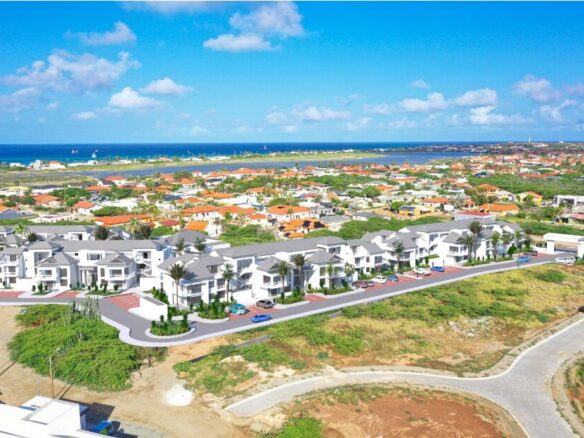
The first time you step onto the island, you notice it immediately. The pace slows. The air feels lighter. Palm trees sway in the trade winds. The water seems brighter than anywhere else. Aruba has a way of making people feel at home, whether they arrive for a visit or begin exploring property ownership opportunities.
For international buyers, Aruba offers something equally attractive: a stable and accessible real estate market. Foreign investors can purchase property with confidence thanks to clear ownership laws, a transparent purchasing process, and a strong legal framework. If you are considering Aruba real estate for sale, understanding how the process works can help you make informed decisions from the start.
Why Foreign Investors Choose Aruba
Successful real estate purchases often begin with market confidence, and Aruba provides several reasons why buyers continue to invest in the island.
The economy remains stable, and the Aruban Florin is linked to the U.S. dollar, helping reduce concerns about currency fluctuations. The island is also known for its modern infrastructure, reliable utilities, and well-maintained public services.
Beyond the financial considerations, Aruba offers an exceptional quality of life. Residents enjoy warm weather throughout the year, beautiful beaches, welcoming communities, and a relaxed Caribbean lifestyle that continues to attract buyers from around the world.
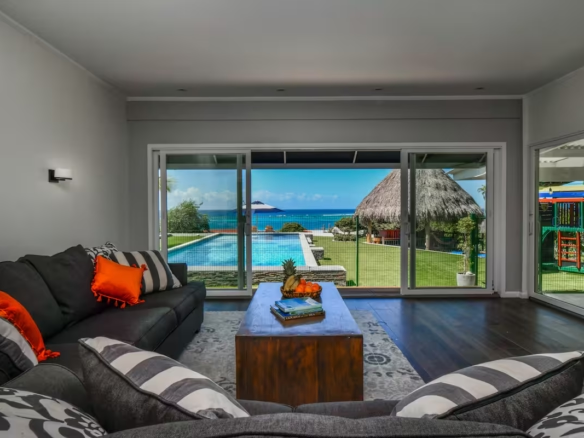
Whether you are interested in a condominium, villa, or one of the beachfront properties featured on BeachfrontAruba.com, the island offers opportunities that suit a wide range of ownership goals.
Understand Aruba’s Property Ownership Structure
One of the advantages of buying property in Aruba is the accessibility of ownership for foreign buyers. There are no citizenship requirements, residency obligations, or special restrictions preventing international investors from purchasing real estate.
Property transfers are handled through a civil law notary, who plays a central role in every transaction. The notary verifies ownership records, confirms legal status, reviews potential encumbrances, and prepares the official transfer documents.
Because notaries in Aruba are highly qualified legal professionals, buyers typically do not need to hire a separate attorney. The notary oversees the legal aspects of the transaction and ensures compliance with local regulations while protecting the interests of all parties involved.
This streamlined system provides clarity and security throughout the purchasing process.
Work With a Qualified Local Real Estate Expert
A knowledgeable real estate professional can provide valuable insight into Aruba’s property market.
Local expertise becomes especially important when comparing different areas of the island, evaluating property values, and understanding neighborhood characteristics. An experienced professional can help buyers identify properties that align with their goals and preferences.
A qualified real estate expert can assist with:
- Identifying properties that match your criteria
- Evaluating market value and pricing trends
- Understanding neighborhood characteristics
- Navigating negotiations and transaction details
Whether you are exploring beachfront properties near Eagle Beach, Palm Beach, or other desirable coastal communities, local guidance can make the process significantly easier.
Budget Beyond the Purchase Price
The purchase price represents only one part of the total investment. Buyers should account for all associated costs before moving forward.
Additional expenses may include:
- Transfer tax, generally around 6% of the purchase price
- Notary fees and closing costs
- Property insurance
- HOA fees for condominium communities
- Ongoing maintenance expenses
If financing is involved, mortgage-related fees may also apply.
Creating a complete financial plan before purchasing allows buyers to approach the transaction with confidence and avoid unexpected costs later.
The Property Purchase Process Step by Step
The buying process in Aruba is straightforward and designed to protect both buyers and sellers.
Once a suitable property is identified, the buyer submits an offer. After acceptance, a preliminary purchase agreement is signed and a deposit is typically provided.
The notary then begins the legal verification process. This includes confirming ownership records, reviewing the property’s legal status, and preparing the transfer documentation.
Closing generally occurs within 30 to 90 days, depending on financing requirements and document preparation. Throughout the process, the notary ensures that all legal requirements are properly addressed.
The result is a transparent and secure transaction process that foreign buyers can navigate with confidence.
Consider Long-Term Property Value
When purchasing Aruba real estate, it is important to think beyond the initial transaction and evaluate the property’s long-term appeal.
Location continues to be one of the most influential factors affecting property value. Beach access, surrounding amenities, community quality, and future development plans can all contribute to long-term desirability.
Properties located near Aruba’s most popular beaches often remain highly sought after due to their limited availability and attractive settings. Buyers should review comparable sales, evaluate neighborhood trends, and consider how a property’s features align with their long-term objectives.
Taking a thoughtful approach can help ensure that your purchase continues to provide value and enjoyment for years to come.
Final Thoughts
Investing in Aruba real estate offers more than property ownership. It offers the opportunity to become part of one of the Caribbean’s most desirable destinations.
Foreign buyers benefit from a transparent purchasing process, strong legal protections, and a market that welcomes international ownership. With proper planning, professional guidance, and a clear understanding of the process, buying property in Aruba can be a smooth and rewarding experience.
It starts with research. Then one decision. Before long, you may find yourself owning a piece of paradise in Aruba.